

Can $10 Save Dating? Meet The GenZ Founders ReInventing Love with a Dating App
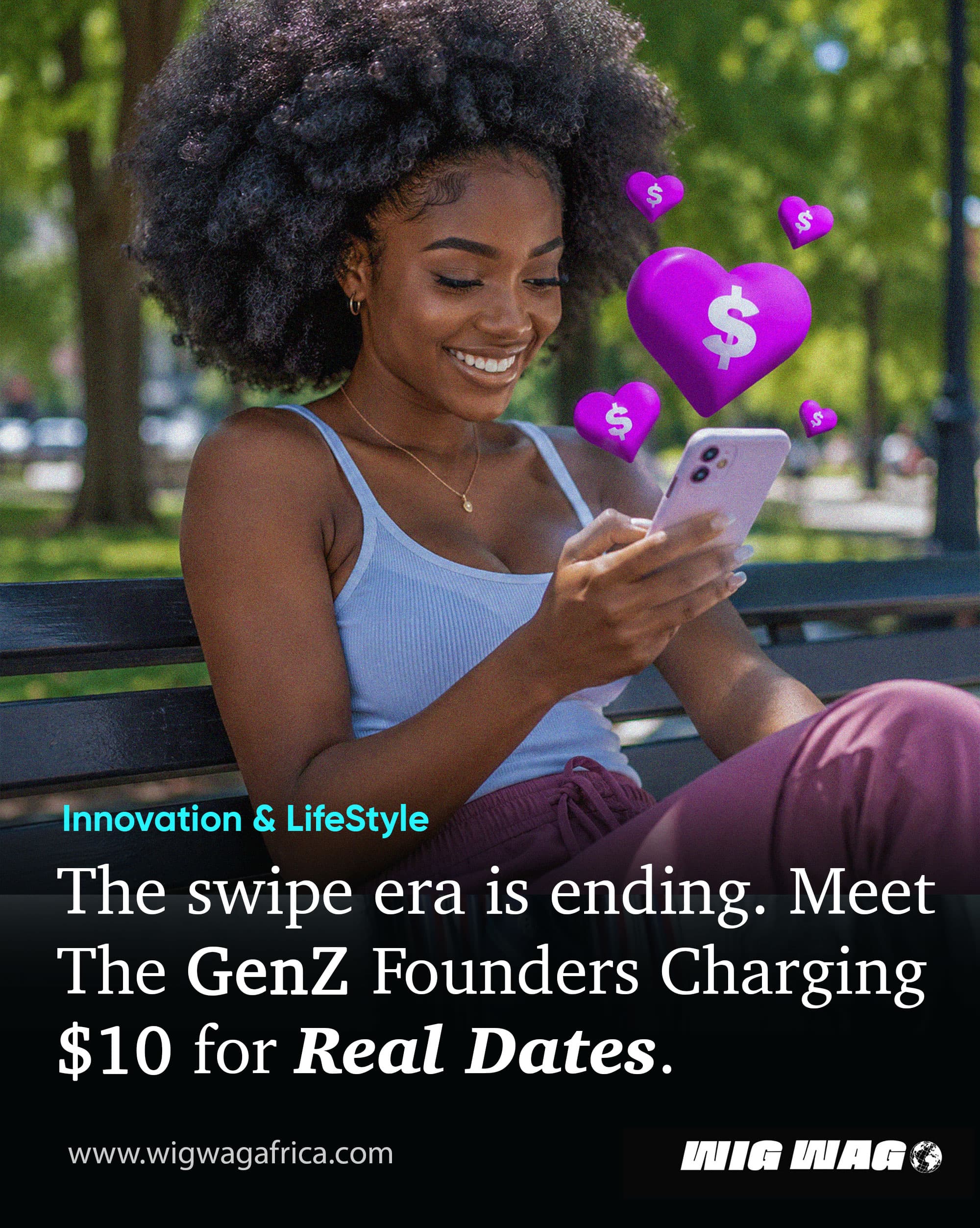
Swiping took dating apps mainstream. Now a new crop of startups is betting that the next big dating platform will feel less like a feed and more like a wingman — one that charges you only when you actually go on a date.
Would you pay $10 or $15 to go on a date? It’s just the price of a cocktail, argue Stanford dropouts Celeste Amadon and Asher Allen. They started dating app company Known based on their belief that frustrated Gen Z singles, tired of endless swiping, are willing to pay up.
The Problem: Swipe Fatigue Is Real For a generation that grew up online, dating apps have become a source of exhaustion rather than excitement. According to Forbes, 78% of dating app users report feeling emotionally, mentally or physically drained by their experience. Gen Z is the most fatigued, with nearly 80% reporting burnout.
The numbers tell a brutal story. Tinder lost 489,000 paying users in the fourth quarter of 2025, marking a multi-year low for the platform. Dating app companies are especially worried about Gen Z: young people who grew up online seem uninterested in finding love there. Even among those who do use dating apps, 47% of Gen Z stick to free versions, versus about 30% of millennials.
The frustration is compounded by a crisis of trust. Fake accounts, bots, and AI-generated images are flooding dating platforms, leading to a loss of trust. In Africa, Interpol has reported that scammers use AI-driven chatbots like LoveGPT to create fake profiles and defraud their targets on dating apps. Users complain about the prevalence of suspected fake profiles, making it harder than ever to find a real connection.
The Known Solution: Pay for Dates, Not for Swipes Known is betting on a radically different model. The San Francisco-based startup, founded by two 22-year-old Stanford dropouts, has raised more than $10 million to launch an AI-powered dating app that aims to move away from swipe-based mechanics.
Here is how it works:
Voice‑based onboarding: Users start by talking with an AI, a phone‑call‑like experience designed to encourage natural conversation rather than typing out answers into a form.
One match at a time: The app introduces daters to one potential match at a time, encouraging intentionality rather than endless scrolling.
Pay only when you meet: The platform is free to join, but users pay a $15 fee when they commit to a match. This charge, Amadon says, helps minimize no‑shows and is roughly equivalent to the price of a drink in San Francisco.
AI books the date: If both people say yes, the app uses AI agents to book the first date for them.
The model is a direct challenge to the subscription economy. Hinge subscriptions can cost between $30 and $50 monthly, and Bumble's monthly cost can range from $40 to almost $100. Amadon and Allen believe the incentives are skewed. They think dating apps should only make money when they actually help people meet IRL.
"It seems that most single people we know use dating apps, but they're not willing to pay for them because everyone has woken up to the fact that they're highly ineffective," says Amadon.
The results are promising: Known claims that about half of its matches result in users agreeing to a real‑life date — a far higher meet‑up rate than conventional dating apps.
The Big Question: Who Pays? The $15 fee raises an obvious question: does the man pay, the woman pay, or do they split it?
Known's model charges each person who commits to a match. Both parties pay the $15 fee, which means the app profits only when there is mutual interest and a confirmed date. This removes the awkwardness of who covers the bill — the app has already charged both sides.
But the broader conversation about who pays for dates is changing. In the US, the average date now costs $189**, while Gen Z reports spending **$205 on food, drinks, an outfit, travel, and preparation. For cash‑strapped young Africans, $15 might feel like a significant investment — but compared to the $30–$50 monthly subscriptions of traditional apps, it could be a more honest and transparent model.
In Africa; Tova, for example, connects African professionals in the diaspora to meaningful relationships, ending "swipe fatigue with precision matching rooted in culture, background, and lifestyle". Njarabi puts "clarity, sincerity, and intention at the heart of every interaction" with verified profiles to combat the fake account problem.
These African apps are responding to the same Gen Z frustration that birthed Known: endless swiping, fake profiles, and a sense that the apps are designed to keep you single, not to help you find love.
The Verdict: Is Paid Dating the Future? The $15 date is not just a pricing experiment — it is a philosophical statement. It says that dating apps should be judged not by how many users they retain, but by how many users they help find real connections.
Gen Z is voting with their feet. They are logging off Tinder, deleting Bumble, and looking for something that feels more human. Apps like Known, Tova, and Njarabi are betting that the next big dating platform will feel less like a feed and more like a wingman — one that charges you only when it actually works.
As Amadon put it: "Dating apps should only make money when they actually help people meet IRL."
That might be the most radical idea in dating since the swipe.
This article draws on reporting from multi-sources and industry data on dating app fatigue and African dating platforms.


Comments (0)