
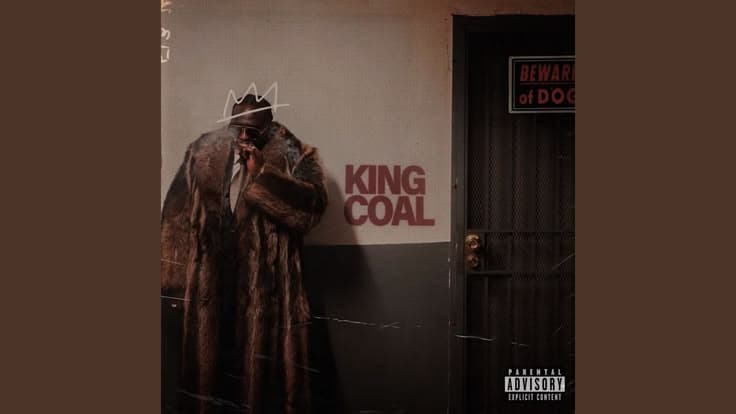
Wande Coal returns with King Coal — a statement album from an Afrobeats icon
After years of shaping the sound of modern Afrobeats, Wande Coal is stepping back into album mode with King Coal, his new studio project released on June 26, 2026. The album arrives as a reminder of why his voice, melodies, and songwriting have remained influential across different generations of African music. King Coal follows a strong run of projects including Legend Or No Legend and his collaborative era leading into 2026. This new body of work leans into Wande’s identity as both a pioneer and a still-active hitmaker, blending Afrobeats, R&B, dancehall textures and smooth vocal delivery. One of the biggest talking points is the guest lineup. The album reportedly brings together names across generations including Wizkid, Tiwa Savage, BNXN, Ruger, Qing Madi, Projexx and others. Early highlights mentioned around the project include “DEARLY,” “GBESUNMO,” “Must Be Love,” “MONEY,” and “Oshe.” The title King Coal feels intentional — not just a play on his stage name, but a message that Wande still sees himself as one of the architects of the sound. Nearly two decades after his breakthrough, he is presenting experience, confidence and musical evolution in one package. For longtime fans, this album feels less like a comeback and more like a reminder: Wande Coal never left — he’s simply returning to the spotlight on his own terms.
Wande Coal is one of the most respected voices in African music. Born Oluwatobi Wande Ojosipe in Lagos, Nigeria, he built a reputation through smooth vocals, melody-driven records, and a sound that blends Afrobeats, R&B and pop. Before becoming a star, Wande Coal started in church choir and later worked as a dancer. His major breakthrough came in 2006 after joining Mo' Hits Records, where he worked alongside D'banj and Don Jazzy. His early appearances quickly made fans notice his unique tone and delivery. His debut album, Mushin 2 Mo' Hits, became one of the defining Nigerian albums of its era. Songs from that period helped push Nigerian pop into a new generation and established Wande Coal as one of the strongest vocalists in Afrobeats. Over the years, he evolved rather than chasing every trend. Records like Again, So Mi So, Iskaba, and collaborations with artists including Wizkid kept him relevant across different eras of African music. After leaving Mo’ Hits and launching Black Diamond Entertainment, Wande Coal continued building his catalog independently while releasing projects that showed growth and versatility. Recent releases and new album plans show he is still active and influential in today’s Afrobeats scene. Fans often describe Wande Coal as an artist’s artist — not always the loudest presence, but one whose voice and songwriting continue to inspire younger generations of African musicians. Community discussions still regularly place him among Nigeria’s elite vocal talents. For Wande Coal, Black Diamond Entertainment became more than a record label — it became a symbol of artistic freedom and a new chapter in his career. After becoming one of Nigeria’s biggest stars through Mo’Hits and later spending time under Mavin Records, Wande Coal launched Black Diamond Entertainment in 2013 to take greater control of his music direction and releases. The move came during a period of major changes in Nigerian music. Following the breakup of Mo’Hits and later his departure from Mavin, Wande Coal decided to create his own platform instead of waiting for another label system. One of the early records associated with that transition was “The Kick,” which helped introduce the Black Diamond era to fans. Under Black Diamond Entertainment, Wande Coal released music that showed a different side of his artistry. Projects and songs from this era included tracks like “Baby Hello,” “Ashimapeyin,” “Iskaba,” “So Mi So,” “Again,” and later albums including Wanted and Legend or No Legend. These releases helped keep his name active across different generations of Afrobeats listeners. Black Diamond also represented Wande Coal’s identity as an artist and businessman. Over time, there were reports of plans to expand the imprint and search for new talent, showing ambitions beyond being only a personal label. Today, when fans call Wande Coal “Black Diamond,” it reflects both his nickname and the independent chapter of his career — one built around longevity, strong vocals, and owning his creative path. With King Coal, Wande Coal steps into a new chapter of his career with confidence and experience. The album arrives as his first major studio album since Legend Or No Legend and continues the story of an artist who has remained influential across different generations of Afrobeats. The title King Coal feels intentional. It plays on Wande Coal’s stage identity while presenting him as an artist who still believes in his place among Afrobeats’ leading voices. Rather than chasing trends, the project appears built around polished vocals, melody, and collaborations that connect different eras of African music. Ahead of the album, attention grew around records linked to the project including “Oshey” featuring Wizkid and “GBESUNMO” with Ruger and BNXN. The collaborations suggest an album that blends veteran artistry with newer energy in the Afrobeats scene. Reports around the project also point to appearances from artists including Tiwa Savage and Qing Madi, adding more range to the sound and audience reach. For longtime listeners, King Coal is less about proving anything and more about showing endurance. Wande Coal’s music has moved from the Mo’Hits era into modern Afrobeats, and this album positions him as an artist still writing new chapters instead of living on old hits. #KeepWigwagafrica


Comments (0)