
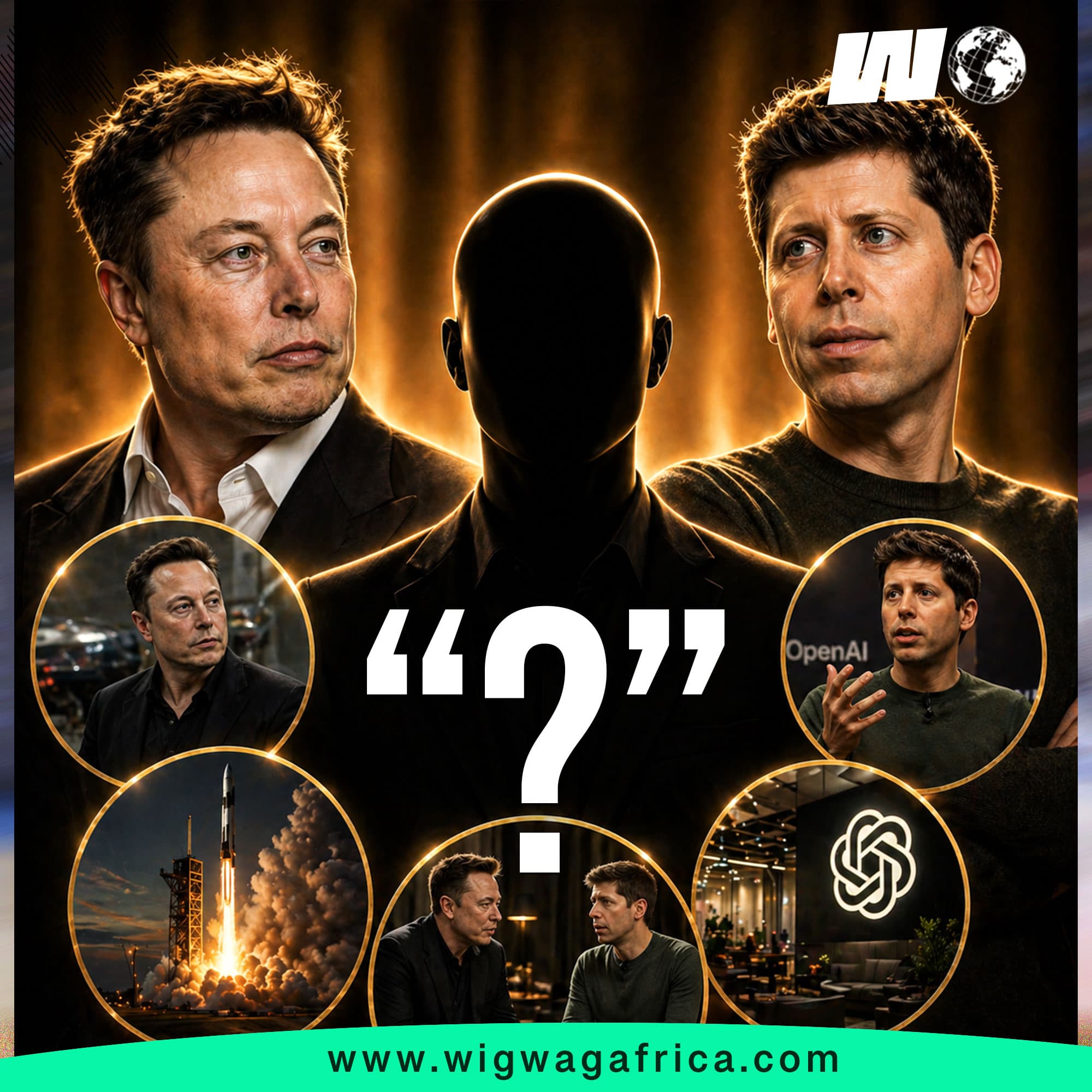
Who Controls the Future of AI Now?
OAKLAND, California – Jury selection began this week in the $134 billion lawsuit that pits Elon Musk against OpenAI and its CEO Sam Altman. The trial, unfolding at a federal courthouse here, has drawn spectators, protesters, and a media frenzy. But beneath the spectacle lies a question that cuts to the heart of the AI industry: Who gets to shape the future of artificial intelligence — and under what rules?
Musk alleges that Altman and OpenAI president Greg Brockman manipulated him into co‑founding what he believed would be a non‑profit research lab, only to later transform it into a for‑profit juggernaut. In a social media post on Monday, Musk wrote: “Scam Altman and Greg Stockman stole a charity. Full stop. The fundamental question is simply this: Do you want to set legal precedent in the United States that it is ok to loot a charity? If so, you undermine all charitable giving in the United States forever.”
OpenAI fired back the same morning, calling the lawsuit “a baseless and jealous bid to derail a competitor.”
The trial arrives at a pivotal moment. SpaceX recently announced plans to acquire AI coding startup Cursor for $60 billion, ahead of a planned IPO. Meanwhile, OpenAI itself is reportedly on a path toward its own public offering. Two of tech’s biggest names are locked in a courtroom battle — but will the outcome actually change the AI race?
What the Lawsuit Claims Musk’s central argument is straightforward: He was deceived into investing in OpenAI under the false promise that it would remain a non‑profit dedicated to safe, open AI for humanity. He now wants all money he contributed returned to the OpenAI charity, and for Altman and Brockman to be removed from their positions.
OpenAI has publicly denied the claims, posting a detailed rebuttal on its website. It argues that Musk left the company because he demanded full control and even tried to merge OpenAI with Tesla. According to OpenAI, Musk’s lawsuit is driven by jealousy after he founded his own rival AI company, xAI, which produces the chatbot Grok.
The case is being heard by Judge Yvonne Gonzalez Rogers, a Obama appointee. Witnesses expected to take the stand include Microsoft CEO Satya Nadella and former OpenAI executives Mira Murati and Ilya Sutskever.
A Personal Spat, Not a Market Shifter Tre Lovell, a prominent US litigation attorney who has worked on cases involving Justin Bieber and Oprah Winfrey, told me in an interview that the trial is unlikely to have any major impact on the AI industry.
“It just seems to me, Elon’s pissed and he’s not gonna let it go by, but in terms of is it gonna make any major difference or have a major impact on AI in general? No,” Lovell said.
He argued that even if Musk proves he was defrauded, the court would at most force OpenAI to return some money — but it would not remove Altman or Brockman. “The court isn’t likely to take the extra step to start replacing presidents and affecting the trajectory of an upcoming billion‑dollar IPO,” he added.
Highlights from the Courtroom On Tuesday, Musk took the stand. According to news reports, he said he believed he was funding an organization that would be a “benefit for all of humanity.” He also recounted a conversation with Google co‑founder Larry Page, who allegedly called Musk a “speciesist” for caring more about humans than AI. Musk said he felt there needed to be “some sort of counterpoint” to Google’s dominance in AI research.
OpenAI’s attorney, William Savitt, countered that Musk had pushed for a for‑profit structure himself but left when he wasn’t given full control. Savitt also noted that Musk filed the lawsuit only after launching xAI, a direct competitor to ChatGPT.
Stavros Gadinis, a law professor at UC Berkeley, offered a more structural observation: “OpenAI’s transition out of the pure nonprofit form was not the moment a charitable mission was abandoned. It was the moment its leaders confronted the fact that frontier AI had outgrown the financial capacity of charitable institutions.”
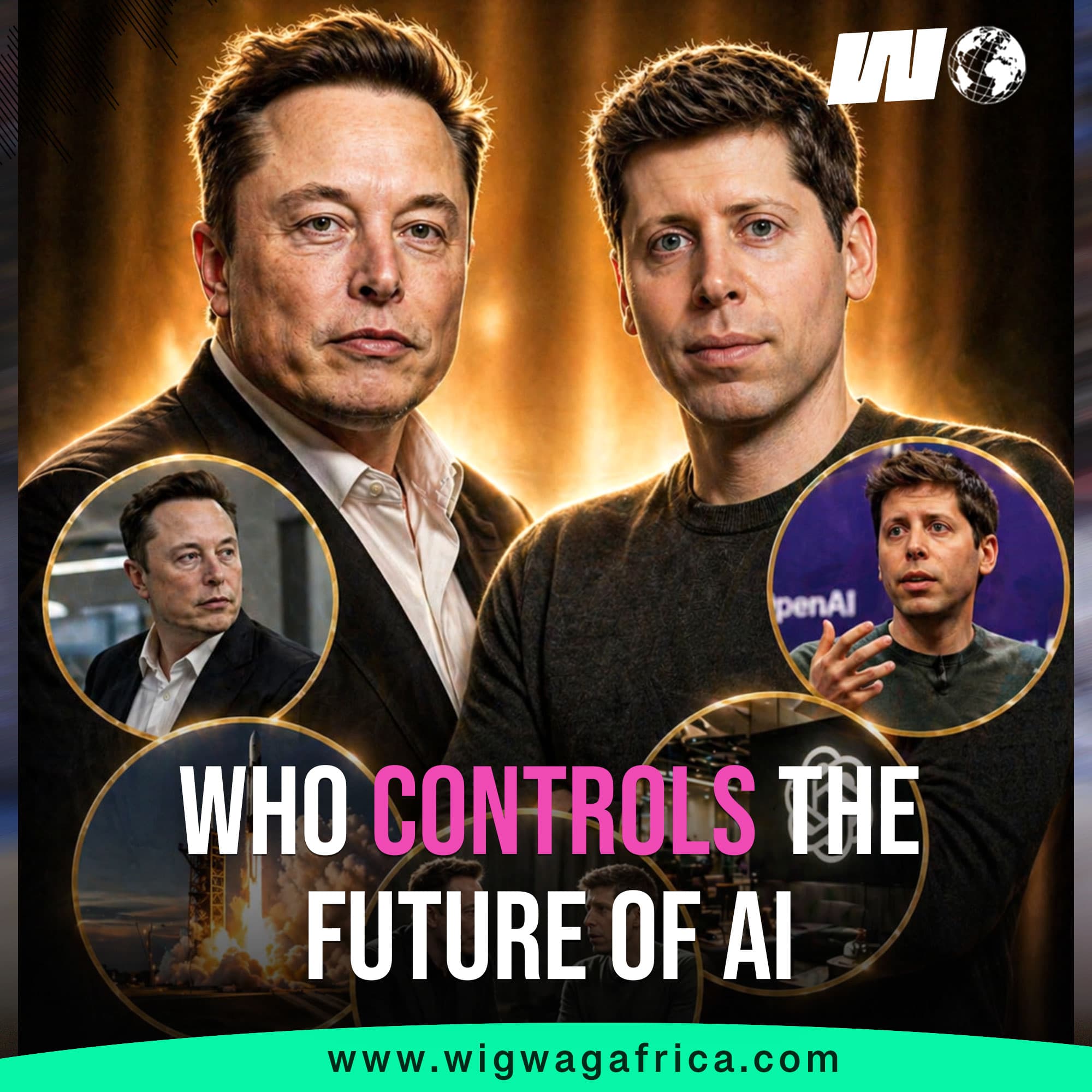
What’s at Stake for OpenAI? Even if Musk loses, the trial raises uncomfortable questions about OpenAI’s integrity — especially following a recent investigative report in The New Yorker that alleged Altman misled the board. A ruling in Musk’s favor could damage public trust in OpenAI and Altman personally, but it is unlikely to derail the company.
With a valuation estimated at $852 billion, OpenAI has deep financial reserves and institutional backing. Daniel Burrus, a technology futurist who has advised Microsoft and the US Department of Defense, told me that the case is more about the past than the future.
“Instead of looking at the past and then looking at the lawsuit, which is looking at the past and what Musk wanted to do, it’s more about who gets to shape the future of AI,” Burrus said. “And by the way, if Musk wins, does he get to shape the future of AI? No. We have Anthropic. We’ve got DeepSeek. We’ve got a lot going on internationally with AI and within the United States. It’s not the only game in town.”
He added: “The question isn’t how do we win the AI race, whether it’s Musk or Altman. It should be how do we build AI organizations that are profitable, scalable, trusted, auditable and aligned with human benefit.”
This trial is a spectacle — a public airing of grievances between two of tech’s most powerful and polarizing figures. It makes for compelling headlines and courtroom drama. But for the broader AI industry, its impact is likely to be minimal.
OpenAI will continue to develop and deploy AI, with or without Musk’s blessing. Musk will continue to build xAI and SpaceX. The real contest for control over AI’s future is not unfolding in a courtroom in Oakland — it’s happening in research labs, data centers, and boardrooms around the world.
The trial might settle a personal score. It will not settle the AI race.
Because the future of AI isn’t decided by lawsuits. It’s decided by who builds what, and why.


Comments (0)