

Why Cannabis Is the Teenager’s Choice in Uganda, While Cocaine and Ice Remain a Rich Man’s Game
Globally, 300 million people use drugs, and 64 million live with a disorder. In Africa, the gateway is cheap and everywhere — while the heavy stuff stays behind closed doors.
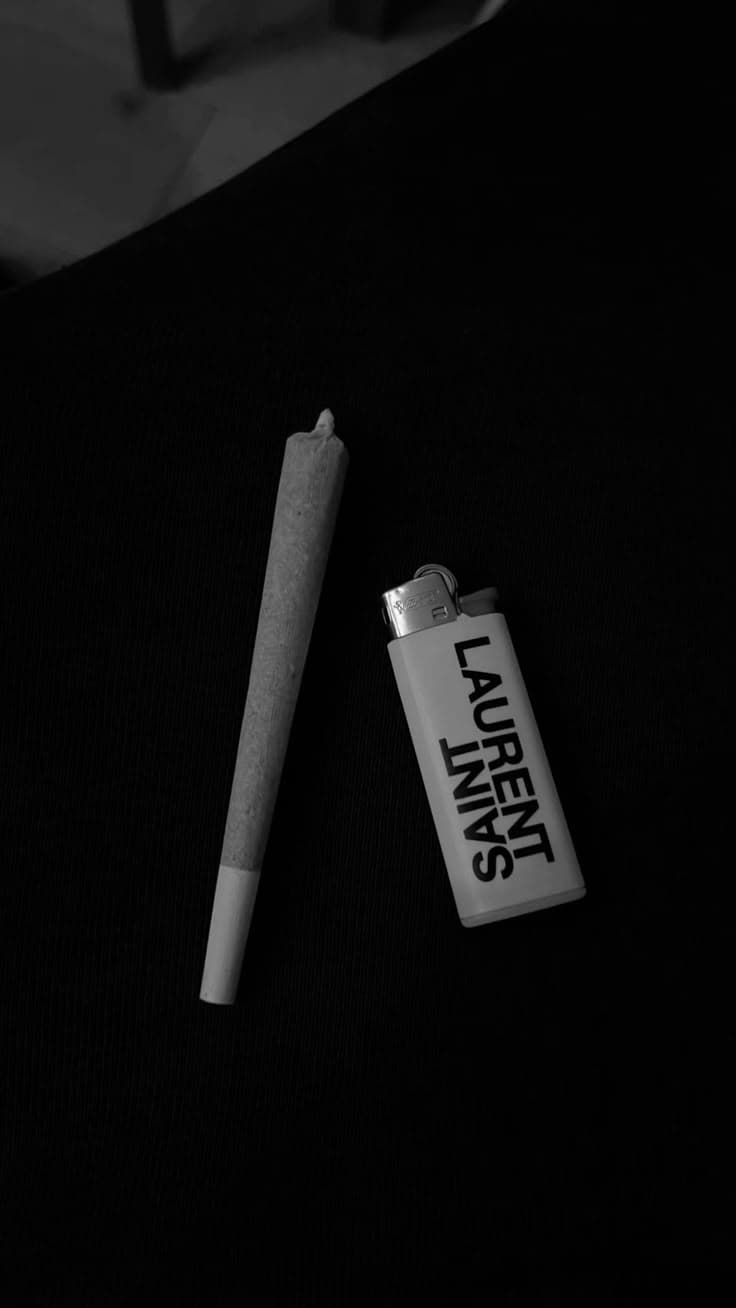
It is a story playing out in schoolyards, village trading centers, and city slums across Uganda and Africa. A teenager, bored and curious, is offered a rolled cigarette. It smells different. It is marijuana — cheap, easy to find, and quick to get. A week later, they are back for more. A month later, they have formed a habit that will follow them for years.
At the same time, in affluent Kampala suburbs and wealthy homes, a different drug scene exists. Pills, cocaine, and ice are available — but supply is hard, expensive, and hidden. These are the drugs of the connected, the wealthy, and the desperate who can afford the price tag.
The divide is not just about money. It is about access, enforcement, and how different societies view different substances.
The Global Numbers: 300 Million and Counting
Globally, the scale of drug use is staggering. According to the World Health Organization, there are an estimated 300 million drug users worldwide, and around 64 million people live with drug use disorders. Each year, hundreds of thousands of lives are lost to preventable harms linked to drug use — most commonly from viral hepatitis, overdose, HIV, and other treatable conditions.
The problem is not static. It is growing, particularly in low- and middle-income countries where socio-cultural and economic factors create distinct challenges.
The African Reality: A Crisis of Access and Opportunity
Across sub-Saharan Africa, substance use among young people is a public health concern. A systematic review of 60 studies involving over 83,000 young people found that lifetime prevalence of any substance use was around 21%, while 12-month prevalence stood at 18% and current substance use was about 15%.
Among young people in sub-Saharan Africa, alcohol remains the most commonly used substance at about 40%, followed by khat at 25%, stimulants at 20%, and cigarette smoking at 16%. Cannabis, cocaine, inhalants, and sedatives are used by a smaller but still significant proportion.
The prevalence is higher among males compared to females, with the highest levels reported in Southern Africa, followed by Western and Eastern regions.
Uganda: Alcohol and Cannabis Dominate — Cocaine Is a Luxury
In Uganda, the picture is clear: alcohol and cannabis are among the most commonly used substances. Cocaine and other hard drugs remain rare and expensive.
A study of nearly 600 adults in Lira and Isingiro districts found that 39.9% of participants had Alcohol Use Disorder (AUD). Factors associated with AUD included being male, being between 31–50 years old, having family members who use alcohol, using other substances, and experiencing major life stressors.
Among adolescent girls and young women working in artisanal gold mining communities, 19% reported substance use, mainly alcohol. The study found higher substance use among those who cohabited, were previously married, came from the Central region, or reported multiple sexual partners.
In Uganda, the drug market is divided by access. Alcohol remains the most widespread because it is socially accepted and easily available. Cannabis is widely used, especially among young people, because it is cheap, accessible, and often locally produced. Other substances such as marijuana, khat, shisha, and tobacco are also reported among adults.
Cocaine, ice, and heroin remain much less common because they are expensive, difficult to obtain, and mainly concentrated in certain urban environments and private networks.
Cameroon: Marijuana and Cocaine in the Minds of Teens
In Cameroon, a school-based study of 352 adolescents in Yaoundé found that 12-month alcohol use was 32.7%, while 3.7% reported illegal psychoactive substance use.
The study revealed something important about how teenagers think about drugs: marijuana and cocaine emerged as the strongest illicit substances in adolescents’ mental associations. When young people think about the word “drugs,” these substances are among the first that come to mind.
The perceived consequences were mainly negative, including psychological, physical, behavioural, and social effects, although some positive perceptions still existed.
The Data: Which Countries Consume the Most Drugs?
The World Population Review ranks countries by drug use rates.
The countries with the highest reported drug use rates include the United States, Canada, Australia, New Zealand, the United Kingdom, Estonia, Puerto Rico, Greenland, Spain, and Iceland.
The United States ranks first, with a reported drug use rate of about 3,815 per 100,000 people, followed by Canada at 2,169, Australia at 2,057, New Zealand at 1,737, and the United Kingdom at 1,736.
Other countries among the highest include Estonia at 1,548, Puerto Rico at 1,543, Greenland at 1,491, Spain at 1,248, and Iceland at 1,221.
The United States remains one of the countries carrying the heaviest health burden, with drug use linked to major losses in healthy years of life.
South Africa ranks lower globally, while Uganda ranks much lower — but this does not mean the problem is small. Lower numbers can also reflect underreporting, stigma, and limited access to treatment.
The Two-Tier Drug Market in Uganda
Tier 1: Cannabis — The People's Drug
Cannabis in Uganda is cheap, easy to find, and often grown locally. A young person can access it quickly and at a low cost. It has become associated with street environments, villages, and informal communities where access barriers are low.
Research from Uganda shows that a significant number of adults report using substances including marijuana, khat, shisha, and tobacco. Among adolescents in South Africa, lifetime cannabis use has also been recorded at notable levels.
Cannabis represents the accessible side of the drug economy — the substance that reaches ordinary communities first.
Tier 2: Cocaine, Ice, Pills — The Rich Man's Game
Cocaine, ice (crystal meth), and certain prescription drugs such as tramadol are less common but still present.
These substances operate differently. They require money, connections, and access to hidden supply networks. They are more likely to appear in urban nightlife spaces, private circles, and wealthier environments.
The cost alone creates a barrier. A gram of cocaine can cost more than many families earn in a month, while prescription drug misuse often begins through access to medicines before becoming abuse.

Why This Matters for Uganda
The divide in drug use is not just a health issue. It is a social justice issue.
Poorer communities are often exposed to substances that are cheap, available, and difficult to escape from. Wealthier communities may have access to harder drugs, but they may also have greater access to healthcare, privacy, and protection.
Cannabis users are often heavily stigmatized and associated with street life.
Users of expensive substances may exist in environments where the problem remains hidden.
The difference is not only the drug itself. It is the environment around the drug.
The Need for a Different Approach
The WHO has called for a public health approach to drug use, emphasizing that discrimination and criminalization can push people away from medical help.
Treatment should be voluntary, evidence-based, and ethical. Punishment alone does not solve addiction.
For Uganda, this means addressing alcohol use as a major public health priority, improving prevention among young people, regulating access to abused prescription drugs, and supporting people facing stress, unemployment, and difficult life circumstances.
A Wake-Up Call
The drug divide in Uganda reflects a deeper inequality: the poor are often trapped with cheap and accessible substances, while wealthier groups operate in hidden markets with different forms of protection.
The question is not only why people use drugs.
The bigger question is why certain drugs become the drugs of the poor, while others remain behind the walls of wealth.
The drug problem is not only about substances.
It is about access, opportunity, and inequality.
This article draws on data from the World Health Organization, the U.S. National Institutes of Health, World Population Review, and peer-reviewed studies from Uganda and sub-Saharan Africa.


Comments (0)